







Impaired immunity
When an infection lasts too long: why some viruses and their effects linger
Most viral infections come and go within days. A fever breaks, a cough clears up, and energy slowly returns. But some viruses don’t follow this script. Instead, they leave people unusually tired, foggy, or unwell for weeks—or even months. Why does this happen, and what can we do about it?
Some acute viruses are simply more likely to cause a prolonged recovery. Epstein–Barr virus (EBV), the cause of mononucleosis, is one of the most notorious. It can leave teenagers and adults exhausted for weeks, with swollen glands and a heavy, flu-like malaise. Cytomegalovirus (CMV) behaves similarly, especially in older adults, while parvovirus B19 can trigger lingering joint pain and fatigue.
Even familiar infections like the seasonal flu or respiratory syncytial virus (RSV) sometimes produce a cough or weakness that lasts far beyond the initial illness. Travel-related viruses—dengue, chikungunya, Zika—may leave lasting joint or muscle pain, and hepatitis A or E can cause months of fatigue while the liver slowly recovers. And of course, COVID-19 has shown how a mild infection can spiral into weeks, months or years of breathlessness, brain fog, and exhaustion, commonly known as long Covid.
Why do some infections drag on? Part of the answer lies in the intensity of infection and body’s own immune response. If the immune system is weak, it is not effective in controlling and clearing the virus. In addition, higher viral load can stress and perturb the body’s immune system, so that effects are felt after the initial infection. Even after a virus is gone, the immune system may stay switched on, creating lingering inflammation that causes aches, autoimmune responses (e.g., Guillain–Barré Syndrome (peripheral nerves), post-viral thyroiditism, MIS-C, and possibly Kawasaki Disease), slowed thinking, or low energy.
A prolonged illness can also temporarily weaken immunity, letting other latent viruses in your body, such as EBV, CMV, the shingles virus (Varicella-Zoster Virus), or herpes simplex virus, reactivate. In rare cases, inflammation, which is part of your body’s reaction to infection, affects organs like the heart or lungs. Or it can lead to ‘post-viral crashes’ where normal activity triggers a wave of fatigue.
In a nutshell, the higher the level of perturbation to the immune system, whether due to the strength of the infection or an inadequate immune response (most likely both), the higher the risk of a long illness.
The good news is that there are ways to support recovery and reduce the chance an infection becomes prolonged. Keeping up with recommended vaccines and early antiviral treatments, when available, can shorten the course of illness. There are no scientifically-proven direct links between lifestyle and immune function, although researchers are studying this area. But general healthy living may support your immune system and comes with other well-known health benefits. This includes adequate sleep and rest when you are unwell, avoiding smoking or excess alcohol, maintaining a healthy weight, following a healthy diet, gentle exercise within your limits, and finding ways to manage stress.
Diet is just as important when you are recovering, especially to tackle chronic inflammation which can result from your immune system overreacting to a persistent infection. Eating plenty of vegetables and fruits, whole grains, fish, nuts and beans and avoiding processed grains and meats, saturated fats and sugary food and drink can support the health of your gut, where most immune cells live, and help reduce inflammation. Rest, hydration and gradually increasing physical activity can also aid recovery. In some situations—especially with EBV, CMV, or hepatitis—medical follow-up is important to make sure organs are healing properly.
There are many factors that lead to a greater risk of prolonged viral illness. They include age (very young children and older people are more vulnerable), underlying health issues, treatments, for example for cancer, vaccination status, sex, lifestyle and initial viral load. By supporting the immune system before, during, and after an infection, the body has its best chance of resolving acute illness quickly and keeping lingering symptoms to a minimum.
Recommend Products
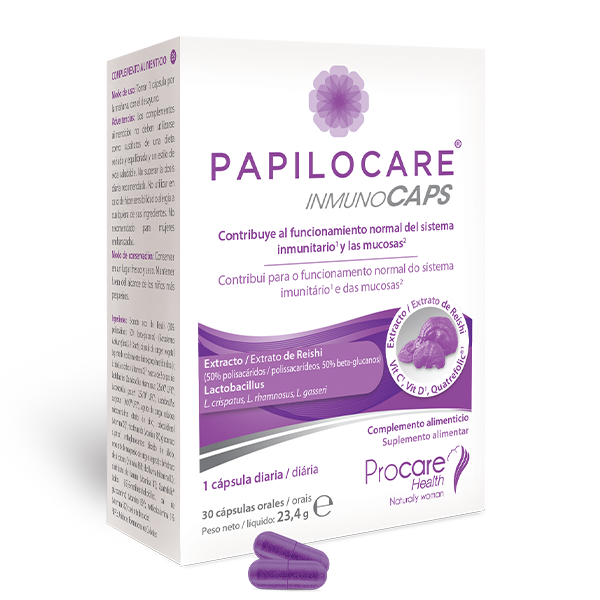
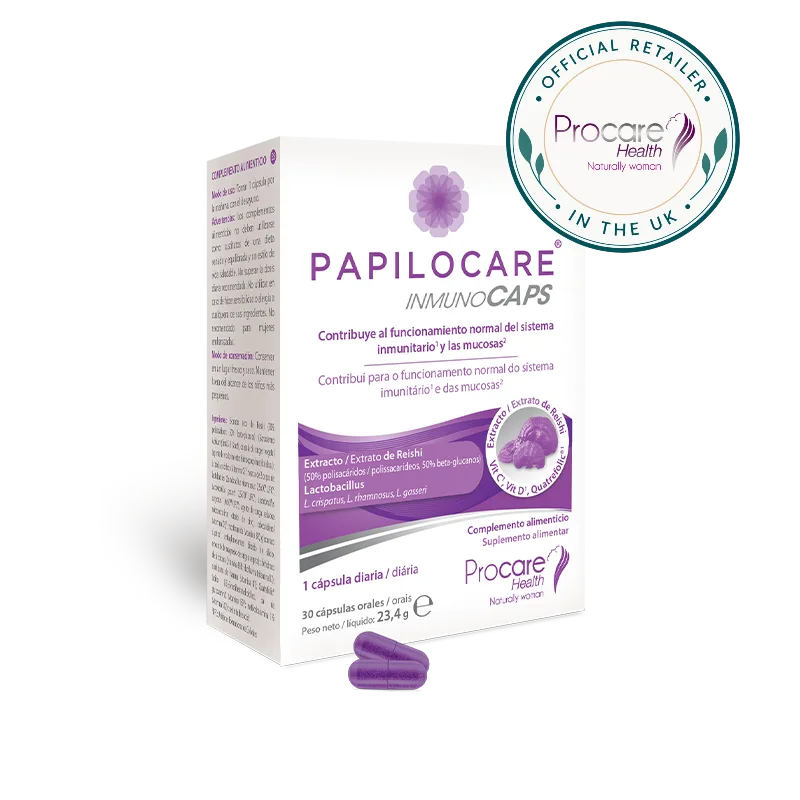
Papilocare® Immunocaps
- 30 capsules - £34.30 (£1.14 per capsule)
- 90 capsules - £99.90 (£1.11 per capsule)
- 180 capsules - £195.20 (£1.08 per capsule)
Price range: £34.30 through £195.20 (VAT included)
 Shop Now
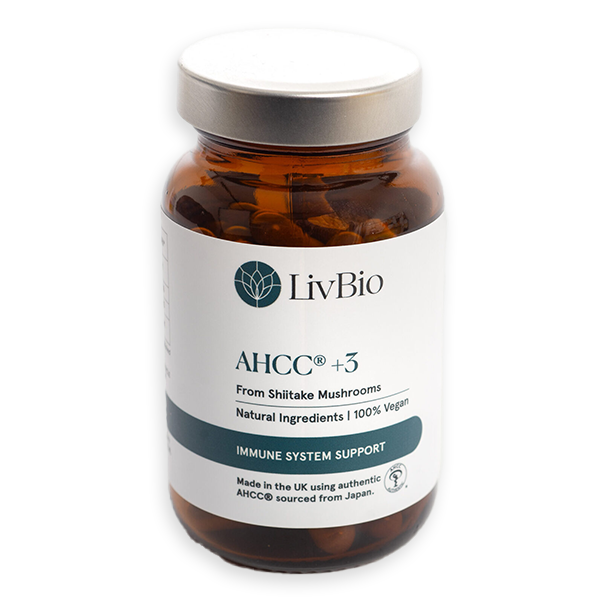
AHCC®+3
- 60 capsules - £42 (70p per capsule)
- 180 capsules - £117 (65p per capsule)
Price range: £42.00 through £117.00 (VAT included)
 Shop Now
Social
Sign up to receive our newsletter and a welcome discount code:
Disclaimer: Information on this website is provided for informational purposes only and not intended as a substitute for the advice provided by your physician or other healthcare professional. You should not use the information on this website for diagnosing or treating a health problem or disease, or prescribing any medication or other treatment. For medical advice, diagnosis and prescription, please consult a healthcare professional. More Information >
Disclaimer: Information on this website is provided for informational purposes only and not intended as a substitute for the advice provided by your physician or other healthcare professional. You should not use the information on this website for diagnosing or treating a health problem or disease, or prescribing any medication or other treatment. For medical advice, diagnosis and prescription, please consult a healthcare professional.
© LivBio Limited 2024 All Rights Reserved.
