






HPV, sex and relationships: should I tell my partner?

HPV (human papillomavirus) is a very common virus, but it can still bring up a lot of questions and worries, including when it comes to sex and relationships. If you’ve recently been diagnosed or are living with HPV, you might have questions about what it means for you and your partner.
In this article series, we answer your questions and bust some common myths about HPV, sex, and relationships.
Do I have to tell my partner about my HPV status? When is the right time to tell?
In the UK, you are not usually required legally or medically to tell your partner. This is mainly
because:
- HPV is a common virus – around 80 percent of sexually active people will have it at some point.
- It is usually harmless, causes no symptoms and clears on its own.
- Many people never know they have it.
- There isn’t a routine test for men unless symptoms (like warts) appear.
- It is usually impossible to know when or from whom HPV was passed on.
Because of this, the decision to share your HPV status is often more about your personal values and the kind of relationship you want, rather than a strict rule.
You might find it helpful to think about:
Do you have symptoms?
If you have visible signs (like genital warts), talking about it can help you both manage things together.
Are you in a serious relationship?
In a committed relationship, openness can build trust and reduce worry or problems later on.
Would sharing help in a practical way?
For example, using condoms to reduce the risk of passing on the virus, attending check-ups, or getting support during treatment.
How would you feel if you don’t tell?
If keeping it to yourself causes stress or guilt, sharing might make you feel better.
Is there a clear benefit to telling?
For example, in cases of genital warts or symptoms, sharing the information could support safer sex and treatment. If sex causes pain, you could also address this together as a couple. But if there are no symptoms, there may be little practical benefit to either of you.
There is no single right choice: what matters is what feels right for you.
What actions can my partner and I take?
Using a condom moderately reduces the chance of infection. However, HPV is easily transmitted by skin-to-skin contact and preventing infection through intimacy is difficult. Abstaining from sexual activity is an option but it’s a difficult choice to make as it can affect the quality of your relationship and lives.
The good news is that, in most cases, the body clears HPV naturally over time. If you’re wondering about how to clear HPV naturally, the key is supporting your immune system.
This means:
- managing stress
- getting enough sleep
- eating a balanced diet
- not smoking.
The same approach works in keeping your partner’s immune system strong. If you decide to tell your partner that you have tested positive, tackling HPV together as a couple is a natural step. You may also want to consider products that support the immune system:
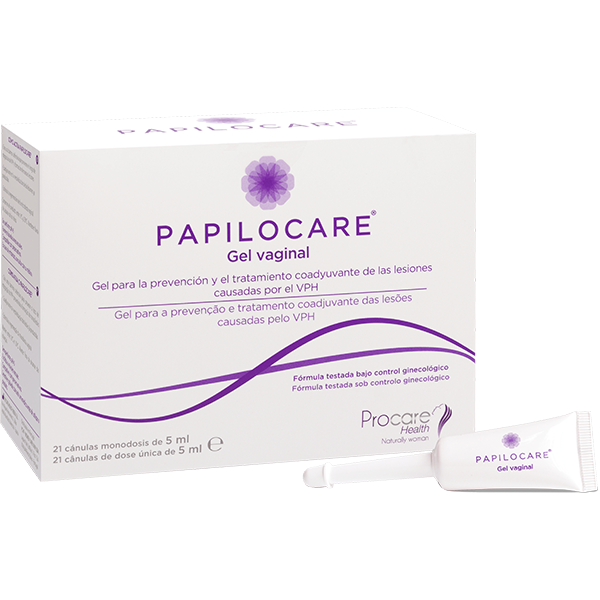
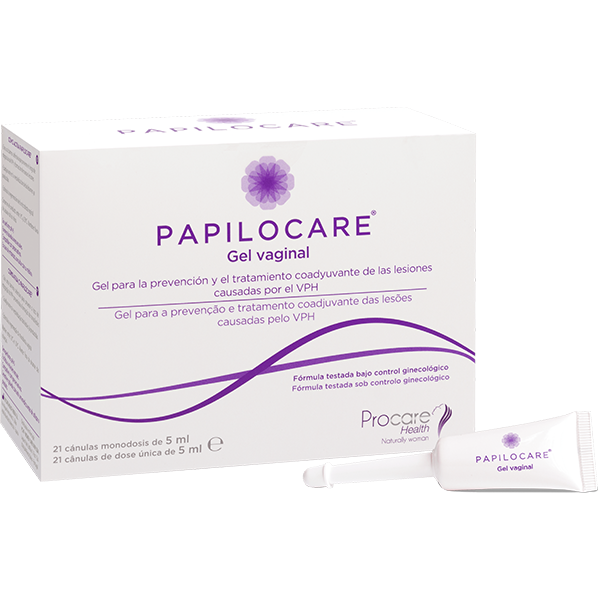
- Papilocare® vaginal gel is proven to be effective in helping to clear HPV and lesions caused by HPV.
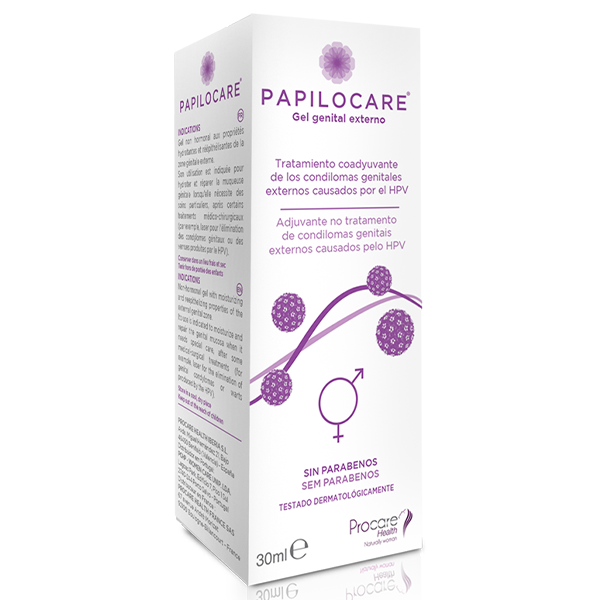
- Papilocare® external genital gel is designed to prevent genital warts recurring after they have been removed.
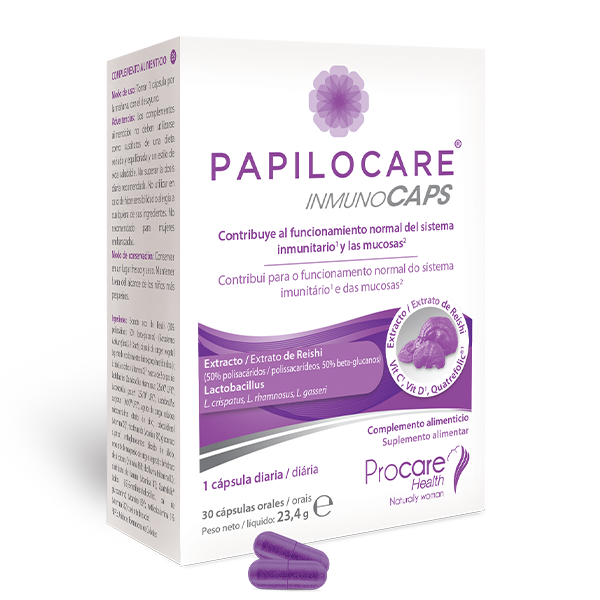
- Papilocare® ImmunoCAPS is an oral supplement for women and men to improve the immune response to HPV.
- AHCC®+3 is an extract of shiitake mushroom with immune boosting effects and has shown efficacy in clearing a number of viruses including HPV. It can be taken to support treatment or to help prevent infection.
In some cases, HPV can cause changes in cells (for example, on the cervix). These are called
abnormal cells or lesions, and they are not cancer. But they are monitored closely. In the UK, NHS screening services are very good at spotting and treating these early, keeping people safe.
HPV (human papillomavirus) is a very common virus, but it can still bring up a lot of questions and worries, including when it comes to sex and relationships. If you’ve recently been diagnosed or are living with HPV, you might have questions about what it means for you and your partner.
In this article series, we answer your questions and bust some common myths about HPV, sex, and relationships.
Do I have to tell my partner about my HPV status? When is the right time to tell?
In the UK, you are not usually required legally or medically to tell your partner. This is mainly
because:
- HPV is a common virus – around 80 percent of sexually active people will have it at some point.
- It is usually harmless, causes no symptoms and clears on its own.
- Many people never know they have it.
- There isn’t a routine test for men unless symptoms (like warts) appear.
- It is usually impossible to know when or from whom HPV was passed on.
Because of this, the decision to share your HPV status is often more about your personal values and the kind of relationship you want, rather than a strict rule.
You might find it helpful to think about:
Do you have symptoms?
If you have visible signs (like genital warts), talking about it can help you both manage things together.
Are you in a serious relationship?
In a committed relationship, openness can build trust and reduce worry or problems later on.
Would sharing help in a practical way?
For example, using condoms to reduce the risk of passing on the virus, attending check-ups, or getting support during treatment.
How would you feel if you don’t tell?
If keeping it to yourself causes stress or guilt, sharing might make you feel better.
Is there a clear benefit to telling?
For example, in cases of genital warts or symptoms, sharing the information could support safer sex and treatment. If sex causes pain, you could also address this together as a couple. But if there are no symptoms, there may be little practical benefit to either of you.
There is no single right choice: what matters is what feels right for you.
What actions can my partner and I take?
Using a condom moderately reduces the chance of infection. However, HPV is easily transmitted by skin-to-skin contact and preventing infection through intimacy is difficult. Abstaining from sexual activity is an option but it’s a difficult choice to make as it can affect the quality of your relationship and lives.
The good news is that, in most cases, the body clears HPV naturally over time. If you’re wondering about how to clear HPV naturally, the key is supporting your immune system.
This means:
- managing stress
- getting enough sleep
- eating a balanced diet
- not smoking.
The same approach works in keeping your partner’s immune system strong. If you decide to tell your partner that you have tested positive, tackling HPV together as a couple is a natural step. You may also want to consider products that support the immune system:
- Papilocare® vaginal gel is proven to be effective in helping to clear HPV and lesions caused by HPV.
- Papilocare® external genital gel is designed to prevent genital warts recurring after they have been removed.
- Papilocare® ImmunoCAPS is an oral supplement for women and men to improve the immune response to HPV.
- AHCC®+3 is an extract of shiitake mushroom with immune boosting effects and has shown efficacy in clearing a number of viruses including HPV. It can be taken to support treatment or to help prevent infection.
In some cases, HPV can cause changes in cells (for example, on the cervix). These are called
abnormal cells or lesions, and they are not cancer. But they are monitored closely. In the UK, NHS screening services are very good at spotting and treating these early, keeping people safe.

Social
Sign up to receive our newsletter and a welcome discount code:
Disclaimer: Information on this website is provided for informational purposes only and not intended as a substitute for the advice provided by your physician or other healthcare professional. You should not use the information on this website for diagnosing or treating a health problem or disease, or prescribing any medication or other treatment. For medical advice, diagnosis and prescription, please consult a healthcare professional. More Information >
Disclaimer: Information on this website is provided for informational purposes only and not intended as a substitute for the advice provided by your physician or other healthcare professional. You should not use the information on this website for diagnosing or treating a health problem or disease, or prescribing any medication or other treatment. For medical advice, diagnosis and prescription, please consult a healthcare professional.
© LivBio Limited 2024 All Rights Reserved.
