






HPV, sex and relationships part 2: Infidelity?

HPV (human papillomavirus) is a very common virus, but it can still bring up a lot of questions and worries, including when it comes to sex and relationships. If you’ve recently been diagnosed or are living with HPV, you might have questions about what it means for you and your partner.
In this article series, we answer your questions and bust some common myths about HPV, sex, and relationships.
Can you get HPV without cheating?
This is a common and understandable question. And the short answer is yes, it is definitely possible to get it without cheating.
HPV is mainly passed on through sexual contact or close skin-to-skin genital contact. But a positive HPV result does not necessarily mean a partner has been unfaithful.
This is because:
- HPV can stay in the body for many years, even decades, without causing any symptoms. This is called being dormant, which means the virus is present in the body but inactive, and can be difficult to detect.
- A negative test in the past only means the virus wasn’t detected at that time.
- It can become detectable later in life when our immune system changes as we age and the virus becomes active.
This means the virus could have been passed on to either of you long before your current relationship.
Did I do anything wrong? Am I dirty?
No – absolutely not.
HPV is a common virus and most people will have it at some point in their lives. It spreads through normal sexual contact and not because of anything you did wrong.
It’s important to understand:
- You cannot usually trace where HPV came from.
- Having HPV says nothing about your hygiene, choices, or character.
- You are not alone – this is a very normal experience.
In most cases, the body clears HPV naturally over time. If you’re wondering about how to clear HPV naturally, the key is supporting your immune system. This means:
- managing stress
- getting enough sleep
- eating a balanced diet
- not smoking.
The same approach works in for your partner’s immune system. If you are worried about infecting your partner, discussing a joint approach as a couple is a positive step.
You may also want to consider products that support the immune system:
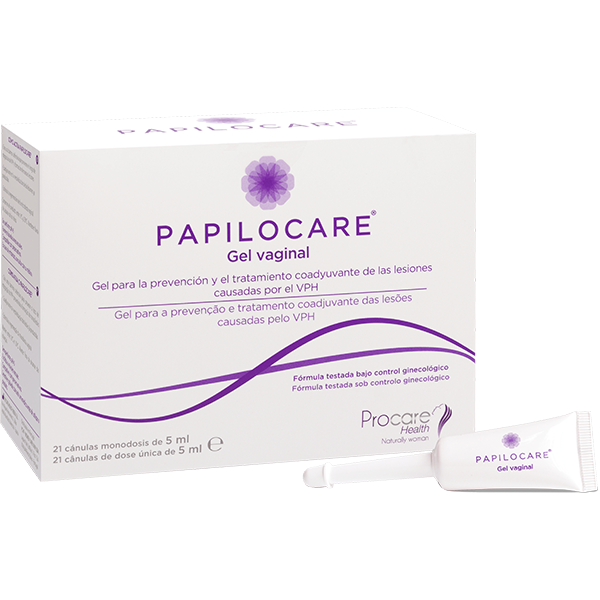
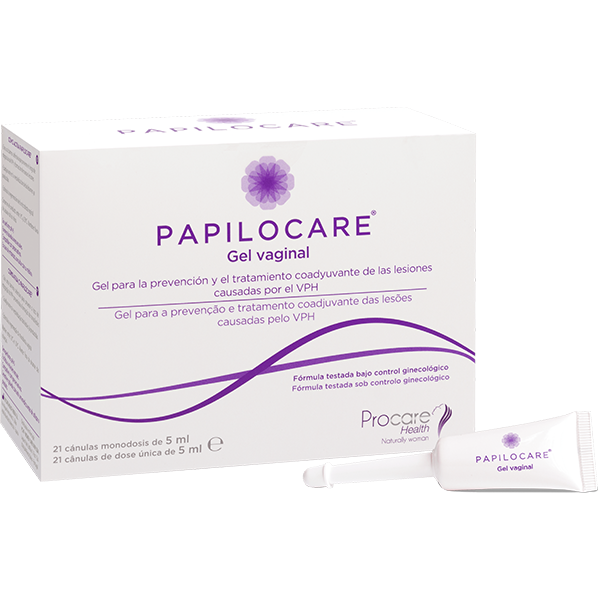
- Papilocare® vaginal gel is proven to be effective in helping to clear HPV and lesions caused by HPV.
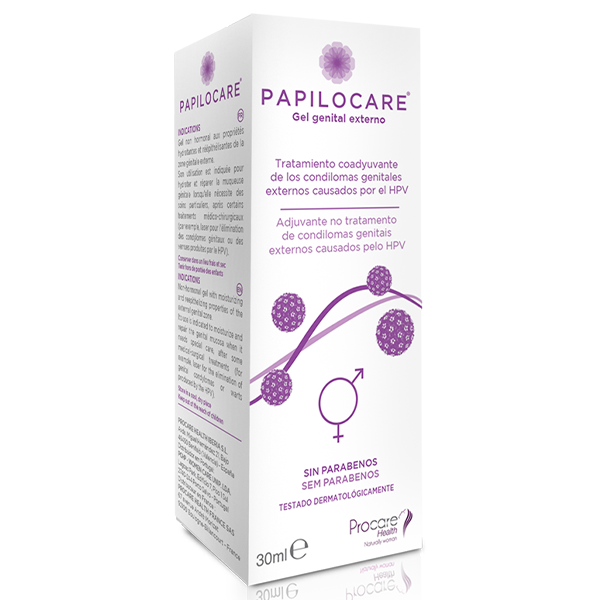
- Papilocare® external genital gel is designed to prevent genital warts recurring after they have been removed.
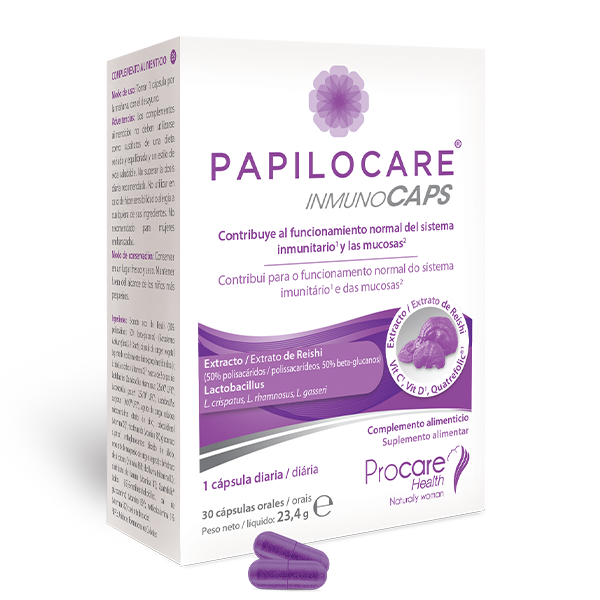
- Papilocare® ImmunoCAPS is an oral supplement for women and men to improve the immune response to HPV.
- AHCC®+3 is an extract of shiitake mushroom with immune boosting effects and has shown efficacy in clearing a number of viruses including HPV. It can be taken to support treatment or to help prevent infection.
In some cases, HPV can cause changes in cells (for example, on the cervix). These are called abnormal cells or lesions, and they are not cancer. But they are monitored closely. In the UK, NHS screening services are very good at spotting and treating these early, keeping people safe.
HPV (human papillomavirus) is a very common virus, but it can still bring up a lot of questions and worries, including when it comes to sex and relationships. If you’ve recently been diagnosed or are living with HPV, you might have questions about what it means for you and your partner.
In this article series, we answer your questions and bust some common myths about HPV, sex, and relationships.
Can you get HPV without cheating?
This is a common and understandable question. And the short answer is yes, it is definitely possible to get it without cheating.
HPV is mainly passed on through sexual contact or close skin-to-skin genital contact. But a positive HPV result does not necessarily mean a partner has been unfaithful.
This is because:
- HPV can stay in the body for many years, even decades, without causing any symptoms. This is called being dormant, which means the virus is present in the body but inactive, and can be difficult to detect.
- A negative test in the past only means the virus wasn’t detected at that time.
- It can become detectable later in life when our immune system changes as we age and the virus becomes active.
This means the virus could have been passed on to either of you long before your current relationship.
Did I do anything wrong? Am I dirty?
No – absolutely not.
HPV is a common virus and most people will have it at some point in their lives. It spreads through normal sexual contact and not because of anything you did wrong.
It’s important to understand:
- You cannot usually trace where HPV came from.
- Having HPV says nothing about your hygiene, choices, or character.
- You are not alone – this is a very normal experience.
In most cases, the body clears HPV naturally over time. If you’re wondering about how to clear HPV naturally, the key is supporting your immune system. This means:
- managing stress
- getting enough sleep
- eating a balanced diet
- not smoking.
The same approach works in for your partner’s immune system. If you are worried about infecting your partner, discussing a joint approach as a couple is a positive step.
You may also want to consider products that support the immune system:
- Papilocare® vaginal gel is proven to be effective in helping to clear HPV and lesions caused by HPV.
- Papilocare® external genital gel is designed to prevent genital warts recurring after they have been removed.
- Papilocare® ImmunoCAPS is an oral supplement for women and men to improve the immune response to HPV.
- AHCC®+3 is an extract of shiitake mushroom with immune boosting effects and has shown efficacy in clearing a number of viruses including HPV. It can be taken to support treatment or to help prevent infection.
In some cases, HPV can cause changes in cells (for example, on the cervix). These are called abnormal cells or lesions, and they are not cancer. But they are monitored closely. In the UK, NHS screening services are very good at spotting and treating these early, keeping people safe.

Social
Sign up to receive our newsletter and a welcome discount code:
Disclaimer: Information on this website is provided for informational purposes only and not intended as a substitute for the advice provided by your physician or other healthcare professional. You should not use the information on this website for diagnosing or treating a health problem or disease, or prescribing any medication or other treatment. For medical advice, diagnosis and prescription, please consult a healthcare professional. More Information >
Disclaimer: Information on this website is provided for informational purposes only and not intended as a substitute for the advice provided by your physician or other healthcare professional. You should not use the information on this website for diagnosing or treating a health problem or disease, or prescribing any medication or other treatment. For medical advice, diagnosis and prescription, please consult a healthcare professional.
© LivBio Limited 2024 All Rights Reserved.
