






Insulin resistance in PCOS and how D-chiro-inositol can help fertility

Polycystic ovary syndrome (PCOS) is a common hormonal condition which can affect women from their teens or twenties. Having PCOS can make it difficult to get pregnant: in this article we take a deep dive into the reasons for that, we set out the role of a natural sugar called D-chiro inositol and look at the evidence for how it can support women’s fertility.
What is insulin resistance?
One of the key issues in PCOS is insulin resistance. After you eat, your body releases insulin, a hormone which acts like a ‘key’ to unlock cells, allowing glucose from food to enter and be used for energy. Any extra glucose is stored in your body as glycogen.
Insulin resistance is when your cells don’t respond properly to insulin. To combat this, your body produces more of it, leading to high insulin levels in the blood (hyperinsulinemia).
How common is insulin resistance in women with PCOS?
It’s very common. Around 50-70 percent of women with PCOS have insulin resistance. It’s more common in women who are overweight, have abdominal fat, or a family history of diabetes. But even lean women with PCOS can have insulin resistance – about 20–30 percent of cases.
How insulin resistance affects fertility
Insulin resistance is a major driver of PCOS symptoms and fertility challenges. If your cells don’t react properly to insulin, the body produces even more as a way of combating this. The resulting high insulin levels then cause hormone imbalances. It leads to increased male-type hormones (androgen) in women, which can cause acne, excess hair growth, irregular periods and increased free testosterone in the body.
If you are trying to get pregnant, the hormonal imbalances caused by insulin resistance make it more difficult:
- Egg maturation and release: the excess male hormones interfere with the normal hormonal signals needed for eggs to mature and be released (ovulation)
- Follicle development: instead of one follicle releasing an egg, many smaller follicles (cysts) form, but don’t mature to release eggs
- Irregular cycles: infrequent or absent ovulation means the chances of getting pregnant are reduced
Quality of eggs: high androgen levels can affect the quality of the eggs that do develop.
What is D-chiro-inositol and why is it important?
D-chiro-inositol (DCI) is a natural chemical that plays an important role in keeping blood sugar and insulin levels down. We have seen how insulin triggers a process of converting sugar in the blood into glycogen – your body’s energy stores. When your body stores glycogen, your blood sugar levels drop. DCI mimics this role of insulin. It also triggers the process of glycogen storage.
DCI is mainly made in the body by breaking down another natural sugar called myo-inositol. However, when you have insulin resistance and the body makes too much insulin, your body stops making DCI.
When not enough DCI is fed back into the circulation, blood sugar levels remain high. To compensate for this, the body produces even more insulin, making the matter worse.
What you can do to break this cycle?
The good news is that lifestyle changes can significantly improve insulin sensitivity and PCOS symptoms: improved diet avoiding too much sugar, processed carbs and ultra-processed food, regular exercise, getting enough sleep and managing your weight.
Medication can also help. Patients with severe cases of PCOS and those who are trying for a baby can take metformin, which improves insulin sensitivity, supports ovulation, reduces testosterone. Some women who live with obesity and who meet certain criteria may be prescribed weight loss drugs, which can also help combat insulin resistance.
How can D-chiro-inositol help with fertility?
Over recent years scientists have discovered that DCI can play an important role in helping women with PCOS and insulin resistance to achieve a successful pregnancy.
In 2012 it was introduced as a supplement to improve pregnancy rates and egg quality in women with PCOS. At first women were given 25mg per day of DCI, which was the level commonly found in the blood. In 2019, some scientists started to investigate whether a daily dose of 300mg, rather than 25mg, would be more effective. 300mg is based on the amount of DCI that healthy women are thought to produce every day. In one clinical study, 300mg proved to be highly effective in improving the pregnancy rate among PCOS patients compared to the 25mg dose1. In another clinical study, 300mg dosing led to significantly better egg quality compared to 25mg dosing2. DCI is made from myo-inositol: they are given together as supplements because the latter becomes the main source of DCI once the body starts functioning well again.
Other natural ingredients that can support fertility
To alleviate PCOS, nutrition experts also recommend anti-oxidants such as CoQ10, vitamin C and ingredients that are thought to improve insulin sensitivity such as N-Acetylcysteine (NAC), Alpha-Lipoic Acid, Omega-3-fatty acid, magnesium, chromium, zinc, vitamin D, and vitamin C.
For those PCOS patients who are trying for a baby, micronutrients that support cell division and development are also recommended including folic acid, selenium and zinc.
In summary
Most women with PCOS (50-70 percent) suffer from insulin resistance, which is a major driver of PCOS. Insulin resistance can self-reinforce through insufficient levels of D-chiro-inositol, hormone imbalance and inflammation. Patients with severe PCOS are treated with metformin and, if they are trying for a baby, given hormone treatments. Supplementation of DCI is a clinical proven way of alleviating PCOS symptoms and improving pregnancy rates among women with PCOS. DCI should be taken alongside prescribed medicine and other micronutrients to provide comprehensive support for the body.
Introducing Ovosicare Fertility
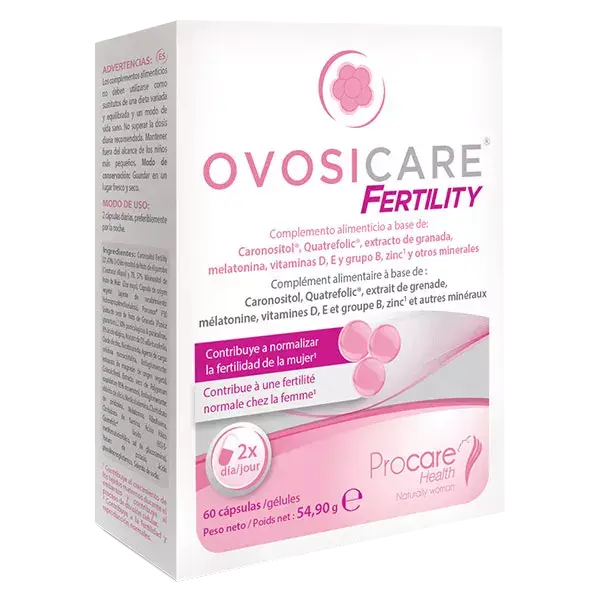
Ovosicare is an all-in-one natural ingredient-based fertility supplement for women with PCOS. Its formula is based on the latest science, containing 300mg of D-chiro-inositol and 1100mg of myo-inositol in the daily dose, harvested from carob, a legume popular in Mediterranean countries. D-chiro-inositol supports management of the insulin level in your body, which in return improves hormone regulation. Ovosicare also provides powerful antioxidants to protect eggs and reproductive organs and vitamins and minerals such as folic acid, B vitamins and selenium that are essential for the healthy development of eggs and their release.
Ovosicare is a leading fertility brand in Spain and France and is now available in the UK from LivBio.
Polycystic ovary syndrome (PCOS) is a common hormonal condition which can affect women from their teens or twenties. Having PCOS can make it difficult to get pregnant: in this article we take a deep dive into the reasons for that, we set out the role of a natural sugar called D-chiro inositol and look at the evidence for how it can support women’s fertility.
What is insulin resistance?
One of the key issues in PCOS is insulin resistance. After you eat, your body releases insulin, a hormone which acts like a ‘key’ to unlock cells, allowing glucose from food to enter and be used for energy. Any extra glucose is stored in your body as glycogen.
Insulin resistance is when your cells don’t respond properly to insulin. To combat this, your body produces more of it, leading to high insulin levels in the blood (hyperinsulinemia).
How common is insulin resistance in women with PCOS?
It’s very common. Around 50-70 percent of women with PCOS have insulin resistance. It’s more common in women who are overweight, have abdominal fat, or a family history of diabetes. But even lean women with PCOS can have insulin resistance – about 20–30 percent of cases.
How insulin resistance affects fertility
Insulin resistance is a major driver of PCOS symptoms and fertility challenges. If your cells don’t react properly to insulin, the body produces even more as a way of combating this. The resulting high insulin levels then cause hormone imbalances. It leads to increased male-type hormones (androgen) in women, which can cause acne, excess hair growth, irregular periods and increased free testosterone in the body.
If you are trying to get pregnant, the hormonal imbalances caused by insulin resistance make it more difficult:
- Egg maturation and release: the excess male hormones interfere with the normal hormonal signals needed for eggs to mature and be released (ovulation)
- Follicle development: instead of one follicle releasing an egg, many smaller follicles (cysts) form, but don’t mature to release eggs
- Irregular cycles: infrequent or absent ovulation means the chances of getting pregnant are reduced
Quality of eggs: high androgen levels can affect the quality of the eggs that do develop.
What is D-chiro-inositol and why is it important?
D-chiro-inositol (DCI) is a natural chemical that plays an important role in keeping blood sugar and insulin levels down. We have seen how insulin triggers a process of converting sugar in the blood into glycogen – your body’s energy stores. When your body stores glycogen, your blood sugar levels drop. DCI mimics this role of insulin. It also triggers the process of glycogen storage.
DCI is mainly made in the body by breaking down another natural sugar called myo-inositol. However, when you have insulin resistance and the body makes too much insulin, your body stops making DCI.
When not enough DCI is fed back into the circulation, blood sugar levels remain high. To compensate for this, the body produces even more insulin, making the matter worse.
What you can do to break this cycle?
The good news is that lifestyle changes can significantly improve insulin sensitivity and PCOS symptoms: improved diet avoiding too much sugar, processed carbs and ultra-processed food, regular exercise, getting enough sleep and managing your weight.
Medication can also help. Patients with severe cases of PCOS and those who are trying for a baby can take metformin, which improves insulin sensitivity, supports ovulation, reduces testosterone. Some women who live with obesity and who meet certain criteria may be prescribed weight loss drugs, which can also help combat insulin resistance.
How can D-chiro-inositol help with fertility?
Over recent years scientists have discovered that DCI can play an important role in helping women with PCOS and insulin resistance to achieve a successful pregnancy.
In 2012 it was introduced as a supplement to improve pregnancy rates and egg quality in women with PCOS. At first women were given 25mg per day of DCI, which was the level commonly found in the blood. In 2019, some scientists started to investigate whether a daily dose of 300mg, rather than 25mg, would be more effective. 300mg is based on the amount of DCI that healthy women are thought to produce every day. In one clinical study, 300mg proved to be highly effective in improving the pregnancy rate among PCOS patients compared to the 25mg dose1. In another clinical study, 300mg dosing led to significantly better egg quality compared to 25mg dosing2. DCI is made from myo-inositol: they are given together as supplements because the latter becomes the main source of DCI once the body starts functioning well again.
Other natural ingredients that can support fertility
To alleviate PCOS, nutrition experts also recommend anti-oxidants such as CoQ10, vitamin C and ingredients that are thought to improve insulin sensitivity such as N-Acetylcysteine (NAC), Alpha-Lipoic Acid, Omega-3-fatty acid, magnesium, chromium, zinc, vitamin D, and vitamin C.
For those PCOS patients who are trying for a baby, micronutrients that support cell division and development are also recommended including folic acid, selenium and zinc.
In summary
Most women with PCOS (50-70 percent) suffer from insulin resistance, which is a major driver of PCOS. Insulin resistance can self-reinforce through insufficient levels of D-chiro-inositol, hormone imbalance and inflammation. Patients with severe PCOS are treated with metformin and, if they are trying for a baby, given hormone treatments. Supplementation of DCI is a clinical proven way of alleviating PCOS symptoms and improving pregnancy rates among women with PCOS. DCI should be taken alongside prescribed medicine and other micronutrients to provide comprehensive support for the body.
Introducing Ovosicare Fertility
Ovosicare is an all-in-one natural ingredient-based fertility supplement for women with PCOS. Its formula is based on the latest science, containing 300mg of D-chiro-inositol and 1100mg of myo-inositol in the daily dose, harvested from carob, a legume popular in Mediterranean countries. D-chiro-inositol supports management of the insulin level in your body, which in return improves hormone regulation. Ovosicare also provides powerful antioxidants to protect eggs and reproductive organs and vitamins and minerals such as folic acid, B vitamins and selenium that are essential for the healthy development of eggs and their release.
Ovosicare is a leading fertility brand in Spain and France and is now available in the UK from LivBio.
Social
Sign up to receive our newsletter and a welcome discount code:
Disclaimer: Information on this website is provided for informational purposes only and not intended as a substitute for the advice provided by your physician or other healthcare professional. You should not use the information on this website for diagnosing or treating a health problem or disease, or prescribing any medication or other treatment. For medical advice, diagnosis and prescription, please consult a healthcare professional. More Information >
Disclaimer: Information on this website is provided for informational purposes only and not intended as a substitute for the advice provided by your physician or other healthcare professional. You should not use the information on this website for diagnosing or treating a health problem or disease, or prescribing any medication or other treatment. For medical advice, diagnosis and prescription, please consult a healthcare professional.
© LivBio Limited 2024 All Rights Reserved.
