






Self-testing at-home kits - a new way to screen for cervical cancer

Cervical screening, which used to be called a smear test, is one of the best ways to prevent cervical cancer. In this article we set out why it’s important to take up your screening invitation, and a new approach to self-screening at home which is being offered in England.
The NHS invites all women and people with a cervix aged 25 to 64 to have a screening test every five years – more often if you have tested positive for HPV, or had any HPV-related issues, in the past.
What happens during a cervical cancer screening or smear test?
At your appointment your healthcare professional will take a sample of cells from the cervix using a soft brush. Some people can find this uncomfortable, but it’s important not to forget or delay it. The test itself should only take a few minutes and it is an opportunity to spot any changes to the cells of the cervix and, if necessary, treat
them before they develop into cancer.
How common is cervical cancer?
Each year in the UK more than 3,000 people are diagnosed with cervical cancer and around 900 die of the disease. The encouraging news is that almost all of these cases are preventable. Screening is not a test to find cancer—it is a test to prevent it.
The vast majority of cervical cancer cases are caused by high-risk types of HPV, a very common virus which most sexually active people will get during their lifetimes. Your screening results will tell you if you have high-risk types of HPV, or whether cells in your cervix have begun to change.
What does it mean if I get an abnormal test result?
Most people found to have changed or abnormal cells or HPV naturally clear them within a year. But if treatment is ever needed, removing these early changes can stop cancer from developing altogether.
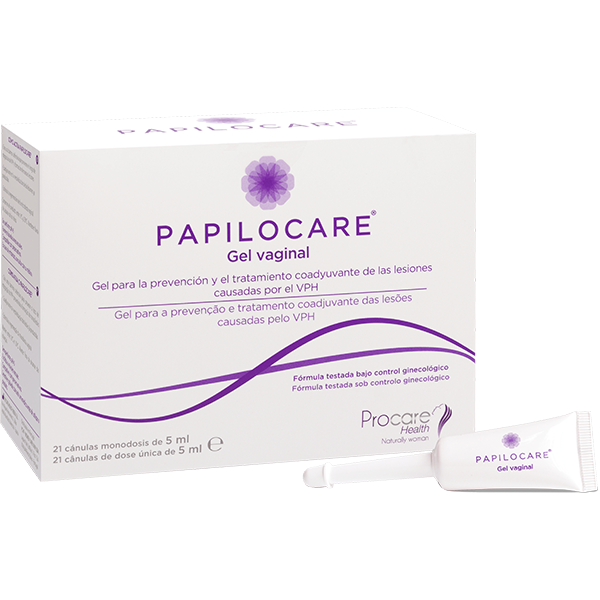
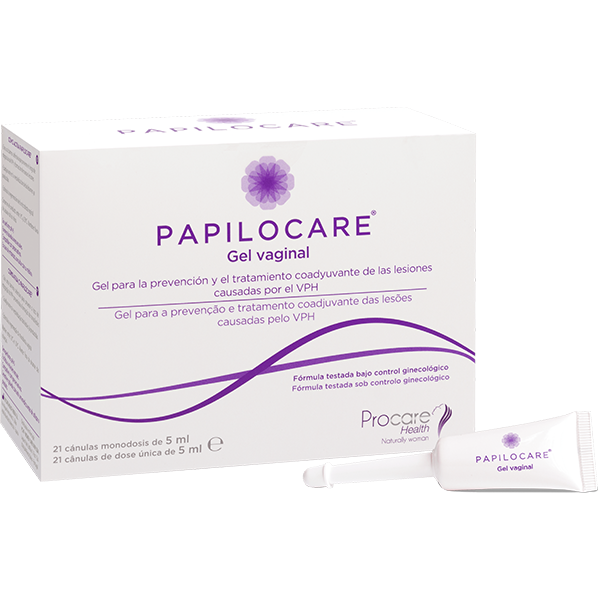
For those whose immune systems may need extra support due to age, stress, or lifestyle factors, there are products designed to help the body’s natural response. One example is Papilocare® Vaginal Gel, which has been shown to have supportive benefits in helping the body clear HPV and abnormal cells.
A new way to screen - self-screening at home kits
This year the NHS is also introducing self-screening kits which are done at home. The cervical self-screening test is for women and people with a cervix in England who rarely attend or who have never attended cervical screening. The kit allows you to take your own sample using a swab (like a long cotton bud), which is then tested for high-risk HPV.
You need to be registered with a GP who is taking part in the programme to be offered the at-home test. If HPV is found, you will need to have a follow-up appointment with a doctor or nurse.
It’s worth remembering that the NHS offers cervical screening to prevent cancer. Finding and treating any changes early can prevent most cases of cervical cancer. Women with a cervix, trans men and non-binary people with a cervix are all eligible. So when you get your invitation, do take up the offer.
Cervical screening, which used to be called a smear test, is one of the best ways to prevent cervical cancer. In this article we set out why it’s important to take up your screening invitation, and a new approach to self-screening at home which is being offered in England.
The NHS invites all women and people with a cervix aged 25 to 64 to have a screening test every five years – more often if you have tested positive for HPV, or had any HPV-related issues, in the past.
What happens during a cervical cancer screening or smear test?
At your appointment your healthcare professional will take a sample of cells from the cervix using a soft brush. Some people can find this uncomfortable, but it’s important not to forget or delay it. The test itself should only take a few minutes and it is an opportunity to spot any changes to the cells of the cervix and, if necessary, treat
them before they develop into cancer.
How common is cervical cancer?
Each year in the UK more than 3,000 people are diagnosed with cervical cancer and around 900 die of the disease. The encouraging news is that almost all of these cases are preventable. Screening is not a test to find cancer—it is a test to prevent it.
The vast majority of cervical cancer cases are caused by high-risk types of HPV, a very common virus which most sexually active people will get during their lifetimes. Your screening results will tell you if you have high-risk types of HPV, or whether cells in your cervix have begun to change.
What does it mean if I get an abnormal test result?
Most people found to have changed or abnormal cells or HPV naturally clear them within a year. But if treatment is ever needed, removing these early changes can stop cancer from developing altogether.
For those whose immune systems may need extra support due to age, stress, or lifestyle factors, there are products designed to help the body’s natural response. One example is Papilocare® Vaginal Gel, which has been shown to have supportive benefits in helping the body clear HPV and abnormal cells.
A new way to screen - self-screening at home kits
This year the NHS is also introducing self-screening kits which are done at home. The cervical self-screening test is for women and people with a cervix in England who rarely attend or who have never attended cervical screening. The kit allows you to take your own sample using a swab (like a long cotton bud), which is then tested for high-risk HPV.
You need to be registered with a GP who is taking part in the programme to be offered the at-home test. If HPV is found, you will need to have a follow-up appointment with a doctor or nurse.
It’s worth remembering that the NHS offers cervical screening to prevent cancer. Finding and treating any changes early can prevent most cases of cervical cancer. Women with a cervix, trans men and non-binary people with a cervix are all eligible. So when you get your invitation, do take up the offer.

Social
Sign up to receive our newsletter and a welcome discount code:
Disclaimer: Information on this website is provided for informational purposes only and not intended as a substitute for the advice provided by your physician or other healthcare professional. You should not use the information on this website for diagnosing or treating a health problem or disease, or prescribing any medication or other treatment. For medical advice, diagnosis and prescription, please consult a healthcare professional. More Information >
Disclaimer: Information on this website is provided for informational purposes only and not intended as a substitute for the advice provided by your physician or other healthcare professional. You should not use the information on this website for diagnosing or treating a health problem or disease, or prescribing any medication or other treatment. For medical advice, diagnosis and prescription, please consult a healthcare professional.
© LivBio Limited 2024 All Rights Reserved.
