






HPV and relationships: can you give your partner HPV?

A positive HPV (human papillomavirus) test can raise questions about relationships, transmission, and where the infection came from. Understanding how common HPV is and how it stays in the body can help provide some reassuring answers.
Earlier this month, we attended the annual International Federation of Cervical Pathology and Colposcopy conference, a global gathering of experts dedicated to understanding HPV. Here we sum up a presentation on HPV transmission between partners.
Can you give your partner HPV?
The short answer is that while HPV transmission between partners is possible, there is a very high chance your partner has already been exposed to it. This is because HPV is so common and often causes no symptoms: many people have the virus without ever knowing. Consider these reassuring statistics from recent studies:
- One study found that when a woman had a positive HPV result during routine cervical screening, approximately 67% of her partners also tested positive (Hartwig et al., 2015).
- Another study looked at couples where both partners were HPV positive. Surprisingly, only about 15% of couples shared the same strain of the virus (B. Moscicki, IFCPC 2021).
Did I Infect my partner?
For couples in long-term monogamous relationships, the studies above suggest it’s likely that you each picked up different strains of the virus from past relationships. It’s almost always impossible, and unnecessary, to try to work out who gave it to whom.
How common is HPV?
It is one of the most widespread viruses in the world. In fact, among unvaccinated populations, up to 80% of people will have been infected with HPV by the age of 25. (AV Ramakumar et al; BMJ Open. 2016 Aug 26;6(8) ) So a positive result doesn’t automatically mean the infection was recent. And a negative result doesn’t mean the virus has gone from your body: it could be that at the time of the test it was in a non-active (dormant) state and therefore couldn’t be detected.
Do condoms protect from HPV infection?
Condom use can reduce the risk of HPV transmission, but doesn’t offer total protection. This is because the virus lives on the skin and can infect areas not covered by a condom.
For men, the good news is that they are significantly less likely than women to develop HPV- related cancer or pre-cancerous cells (Hartwig et al., 2015). This is purely related to their different bodies, as men do not have a cervix, uterus, or vagina, which are the areas most vulnerable to HPV-related disease. For men, the main HPV-related cancer risks involve the penis, anus, and throat, but these are relatively rare.
Summary
The most important message is that HPV is a common, usually harmless virus that is a normal part of being sexually active. A positive HPV test is rarely a sign of a recent infection and almost never provides information about who infected whom. Most sexually active adults will encounter HPV at some point in their lives, often years before it is detected. In many cases, both partners have already been exposed to the virus before they met, and a positive result should not be viewed as evidence of recent transmission, infidelity, or risky behaviour within the current relationship.
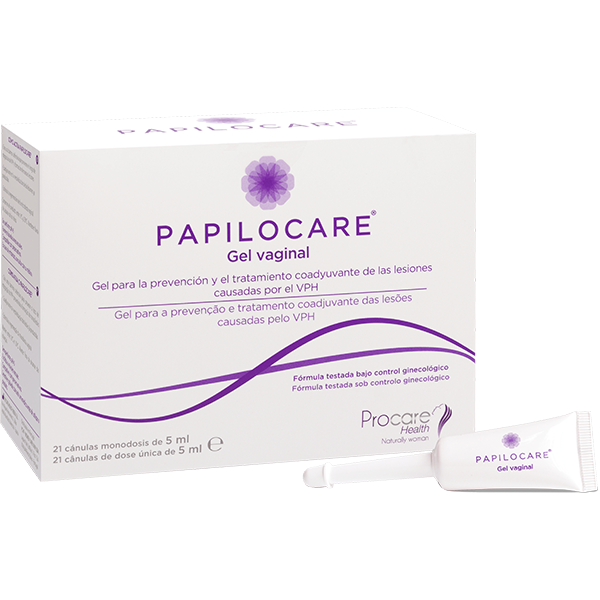
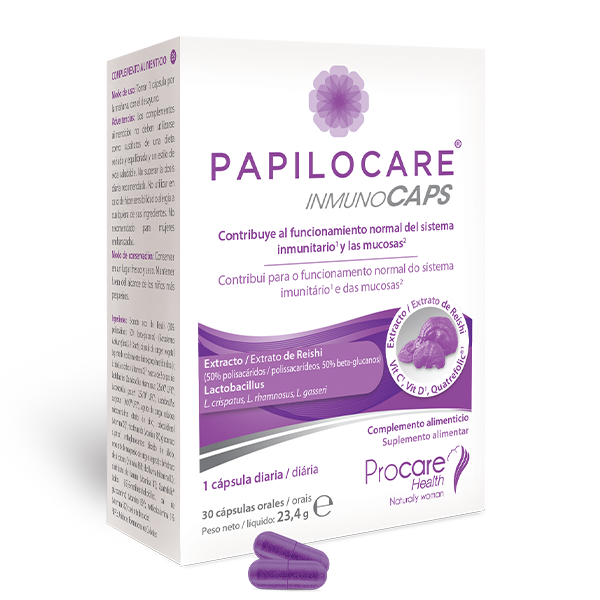
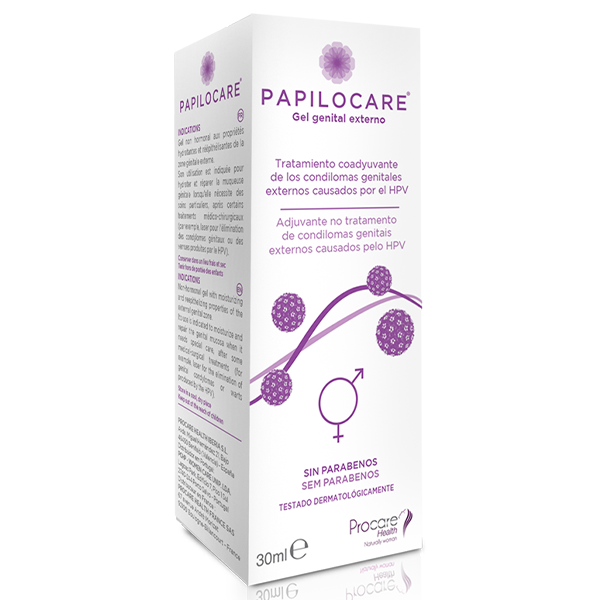
The best way to manage HPV related illness is to support your body’s natural defences. A healthy lifestyle and diet and managing stress provide the foundation. You may also be interested in immune-supporting supplements.
For women, staying up to date with your routine cervical screening is the best way to catch any potential risky changes early. Because there isn’t a national screening programme for men, male partners who have questions or concerns can always talk to their GP or a sexual health clinic.
A positive HPV (human papillomavirus) test can raise questions about relationships, transmission, and where the infection came from. Understanding how common HPV is and how it stays in the body can help provide some reassuring answers.
Earlier this month, we attended the annual International Federation of Cervical Pathology and Colposcopy conference, a global gathering of experts dedicated to understanding HPV. Here we sum up a presentation on HPV transmission between partners.
Can you give your partner HPV?
The short answer is that while HPV transmission between partners is possible, there is a very high chance your partner has already been exposed to it. This is because HPV is so common and often causes no symptoms: many people have the virus without ever knowing. Consider these reassuring statistics from recent studies:
- One study found that when a woman had a positive HPV result during routine cervical screening, approximately 67% of her partners also tested positive (Hartwig et al., 2015).
- Another study looked at couples where both partners were HPV positive. Surprisingly, only about 15% of couples shared the same strain of the virus (B. Moscicki, IFCPC 2021).
Did I Infect my partner?
For couples in long-term monogamous relationships, the studies above suggest it’s likely that you each picked up different strains of the virus from past relationships. It’s almost always impossible, and unnecessary, to try to work out who gave it to whom.
How common is HPV?
It is one of the most widespread viruses in the world. In fact, among unvaccinated populations, up to 80% of people will have been infected with HPV by the age of 25. (AV Ramakumar et al; BMJ Open. 2016 Aug 26;6(8) ) So a positive result doesn’t automatically mean the infection was recent. And a negative result doesn’t mean the virus has gone from your body: it could be that at the time of the test it was in a non-active (dormant) state and therefore couldn’t be detected.
Do condoms protect from HPV infection?
Condom use can reduce the risk of HPV transmission, but doesn’t offer total protection. This is because the virus lives on the skin and can infect areas not covered by a condom.
For men, the good news is that they are significantly less likely than women to develop HPV- related cancer or pre-cancerous cells (Hartwig et al., 2015). This is purely related to their different bodies, as men do not have a cervix, uterus, or vagina, which are the areas most vulnerable to HPV-related disease. For men, the main HPV-related cancer risks involve the penis, anus, and throat, but these are relatively rare.
Summary
The most important message is that HPV is a common, usually harmless virus that is a normal part of being sexually active. A positive HPV test is rarely a sign of a recent infection and almost never provides information about who infected whom. Most sexually active adults will encounter HPV at some point in their lives, often years before it is detected. In many cases, both partners have already been exposed to the virus before they met, and a positive result should not be viewed as evidence of recent transmission, infidelity, or risky behaviour within the current relationship.
The best way to manage HPV related illness is to support your body’s natural defences. A healthy lifestyle and diet and managing stress provide the foundation. You may also be interested in immune-supporting supplements.
For women, staying up to date with your routine cervical screening is the best way to catch any potential risky changes early. Because there isn’t a national screening programme for men, male partners who have questions or concerns can always talk to their GP or a sexual health clinic.

Social
Sign up to receive our newsletter and a welcome discount code:
Disclaimer: Information on this website is provided for informational purposes only and not intended as a substitute for the advice provided by your physician or other healthcare professional. You should not use the information on this website for diagnosing or treating a health problem or disease, or prescribing any medication or other treatment. For medical advice, diagnosis and prescription, please consult a healthcare professional. More Information >
Disclaimer: Information on this website is provided for informational purposes only and not intended as a substitute for the advice provided by your physician or other healthcare professional. You should not use the information on this website for diagnosing or treating a health problem or disease, or prescribing any medication or other treatment. For medical advice, diagnosis and prescription, please consult a healthcare professional.
© LivBio Limited 2024 All Rights Reserved.
