






Can Papilocare help after surgery to remove abnormal cervical cells?

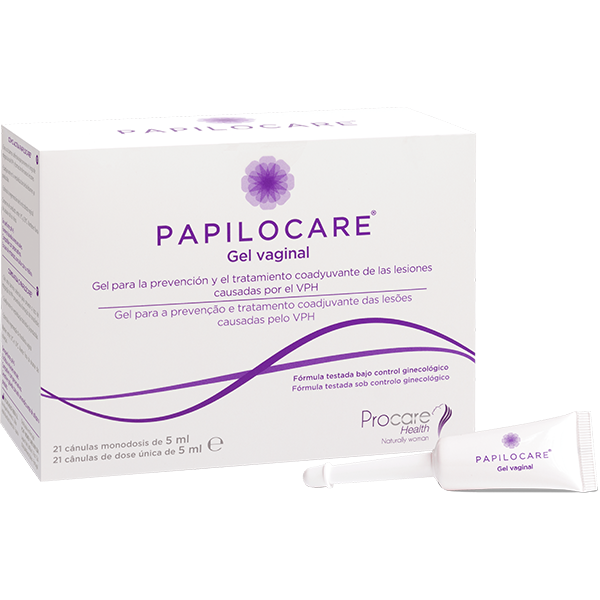
A new study suggests that Papilocare vaginal gel may help women clear high-risk HPV following surgery to remove abnormal cells from the cervix (neck of the womb).
The findings, presented at the international HPV conference EUROGIN 2026, also showed encouraging signs of improved healing and reduced bleeding after surgery.
The results are particularly relevant to women at greater risk of HPV remaining after treatment, including women aged 50 and over.
What did the new Papilocare study find?
Researchers studied 66 women having surgery to remove abnormal cervical cells. Of these, 35 used Papilocare vaginal gel around the time of surgery and then daily for three months, while 31 did not use the gel.
Some women had abnormal cells which extended to the edges of the tissue removed during surgery (known as positive surgical margins). For these women, the researchers reported:
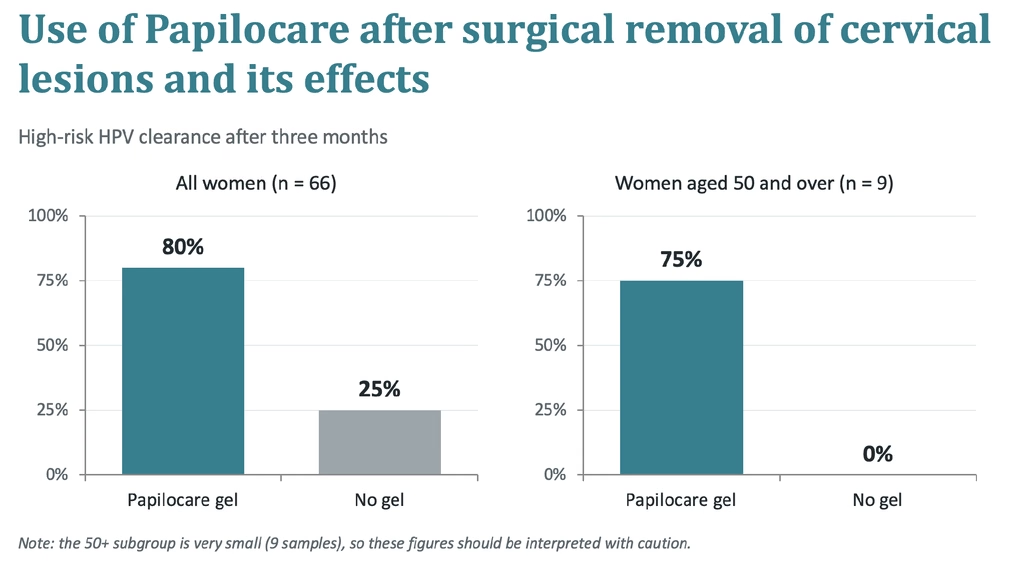
- 80% of women using the gel achieved high-risk HPV clearance after three months, compared with 25% of women who did not use it.
- Among women aged 50 and over, 75% using Papilocare gel cleared high-risk HPV compared with 0% who did not use it. However, only nine women were included in this age group.
The study also looked at how well women recovered from surgery:
- Better healing: 89% of women using the gel showed substantial healing of the cervical tissue after three weeks, compared with 74% of women who did not use it.
- Less bleeding: 80% of women using the gel experienced little or no bleeding, compared with 58% of women who did not use it.
These are encouraging early findings from a small study. The differences in HPV clearance were statistically significant, while the findings on healing and bleeding need more research.
Why might I need surgery to remove abnormal cervical cells?
High-risk types of HPV can sometimes stay in the body and cause changes to cells the cervix.
These changes are known as cervical intraepithelial neoplasia (CIN). Higher-grade changes, known as CIN2 and CIN3, may need treatment to prevent cervical cancer from developing.
The most common procedure in the UK is LLETZ, which uses a thin wire loop heated by an electric current to remove abnormal tissue. Another procedure, called a cone biopsy, removes a cone-shaped piece of cervical tissue.
Can HPV remain after surgery?
Yes. After successful surgery to remove abnormal cervical cells, HPV can remain in the body.
Many women will clear HPV naturally. However, persistent high-risk HPV increases the risk of further cell changes.
This is why follow-up HPV testing, usually around six months after treatment, is so important.
Should I think about using Papilocare after cervical surgery?
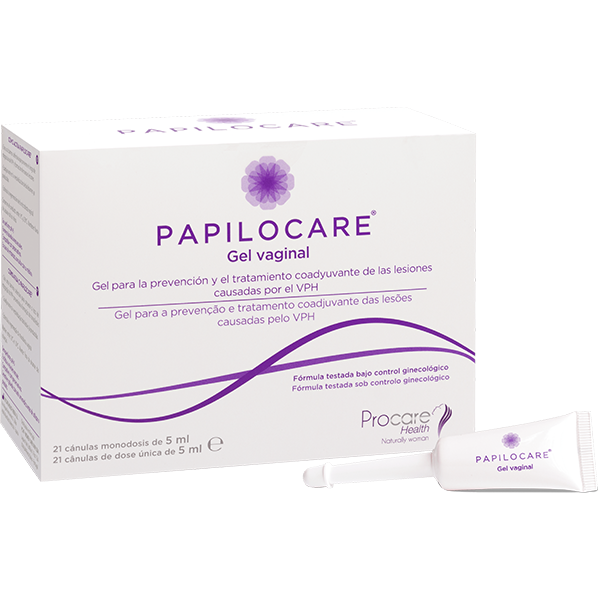
Papilocare is a vaginal gel designed to support the repair of cervical tissue affected by HPV. Previous clinical studies have reported encouraging results for HPV clearance.
The new research suggests that Papilocare may also have a role in supporting women after surgical treatment, particularly those at greater risk of persistent HPV.
If you are considering using Papilocare after surgery, speak to your healthcare professional about whether it is suitable for you and when you can safely begin using it.
Always attend your recommended follow-up appointments.
Reference: Álvarez Gil C, Jamal-Ismail Ortiz S, Bejarano Benítez M. Effectiveness of a Coriolus versicolor-based vaginal gel on cervical re-epithelialization, bleeding and HR-HPV clearance after excisional treatment: preliminary results. EUROGIN 2026.
A new study suggests that Papilocare vaginal gel may help women clear high-risk HPV following surgery to remove abnormal cells from the cervix (neck of the womb).
The findings, presented at the international HPV conference EUROGIN 2026, also showed encouraging signs of improved healing and reduced bleeding after surgery.
The results are particularly relevant to women at greater risk of HPV remaining after treatment, including women aged 50 and over.
What did the new Papilocare study find?
Researchers studied 66 women having surgery to remove abnormal cervical cells. Of these, 35 used Papilocare vaginal gel around the time of surgery and then daily for three months, while 31 did not use the gel.
Some women had abnormal cells which extended to the edges of the tissue removed during surgery (known as positive surgical margins). For these women, the researchers reported:
- 80% of women using the gel achieved high-risk HPV clearance after three months, compared with 25% of women who did not use it.
- Among women aged 50 and over, 75% using Papilocare gel cleared high-risk HPV compared with 0% who did not use it. However, only nine women were included in this age group.
The study also looked at how well women recovered from surgery:
- Better healing: 89% of women using the gel showed substantial healing of the cervical tissue after three weeks, compared with 74% of women who did not use it.
- Less bleeding: 80% of women using the gel experienced little or no bleeding, compared with 58% of women who did not use it.
These are encouraging early findings from a small study. The differences in HPV clearance were statistically significant, while the findings on healing and bleeding need more research.
Why might I need surgery to remove abnormal cervical cells?
High-risk types of HPV can sometimes stay in the body and cause changes to cells the cervix.
These changes are known as cervical intraepithelial neoplasia (CIN). Higher-grade changes, known as CIN2 and CIN3, may need treatment to prevent cervical cancer from developing.
The most common procedure in the UK is LLETZ, which uses a thin wire loop heated by an electric current to remove abnormal tissue. Another procedure, called a cone biopsy, removes a cone-shaped piece of cervical tissue.
Can HPV remain after surgery?
Yes. After successful surgery to remove abnormal cervical cells, HPV can remain in the body.
Many women will clear HPV naturally. However, persistent high-risk HPV increases the risk of further cell changes.
This is why follow-up HPV testing, usually around six months after treatment, is so important.
Should I think about using Papilocare after cervical surgery?
Papilocare is a vaginal gel designed to support the repair of cervical tissue affected by HPV. Previous clinical studies have reported encouraging results for HPV clearance.
The new research suggests that Papilocare may also have a role in supporting women after surgical treatment, particularly those at greater risk of persistent HPV.
If you are considering using Papilocare after surgery, speak to your healthcare professional about whether it is suitable for you and when you can safely begin using it.
Always attend your recommended follow-up appointments.
Reference: Álvarez Gil C, Jamal-Ismail Ortiz S, Bejarano Benítez M. Effectiveness of a Coriolus versicolor-based vaginal gel on cervical re-epithelialization, bleeding and HR-HPV clearance after excisional treatment: preliminary results. EUROGIN 2026.

Social
Sign up to receive our newsletter and a welcome discount code:
Disclaimer: Information on this website is provided for informational purposes only and not intended as a substitute for the advice provided by your physician or other healthcare professional. You should not use the information on this website for diagnosing or treating a health problem or disease, or prescribing any medication or other treatment. For medical advice, diagnosis and prescription, please consult a healthcare professional. More Information >
Disclaimer: Information on this website is provided for informational purposes only and not intended as a substitute for the advice provided by your physician or other healthcare professional. You should not use the information on this website for diagnosing or treating a health problem or disease, or prescribing any medication or other treatment. For medical advice, diagnosis and prescription, please consult a healthcare professional.
© LivBio Limited 2024 All Rights Reserved.
